The constraint that became the brief
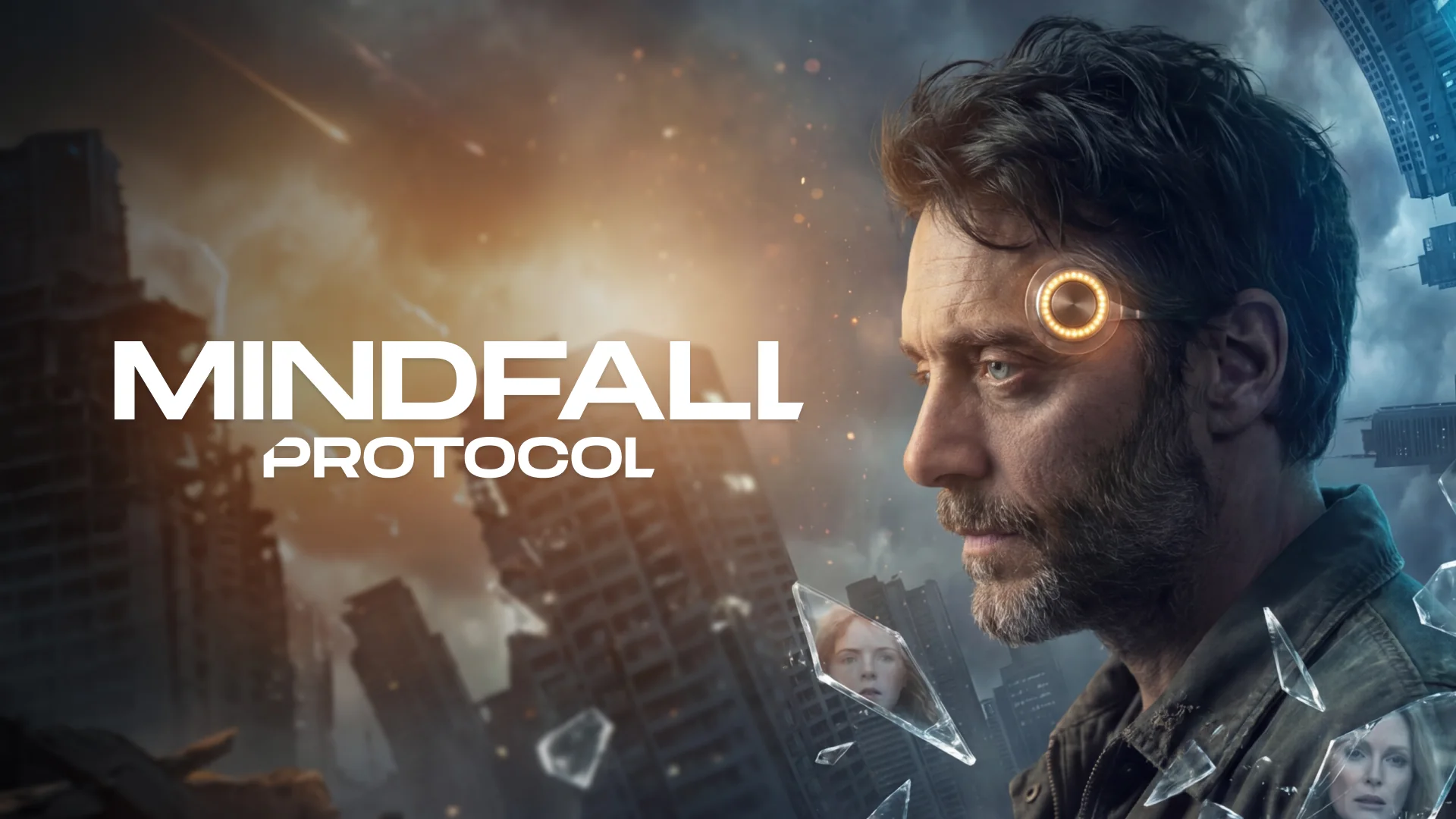
We started in June/July 2025 with a six-to-seven-minute concept and zero budget. The real production happened across November, December, and January — roughly two months of evenings and weekends. By the time we delivered, we had a 33-minute philosophical sci-fi feature shot entirely with AI tools.
The team
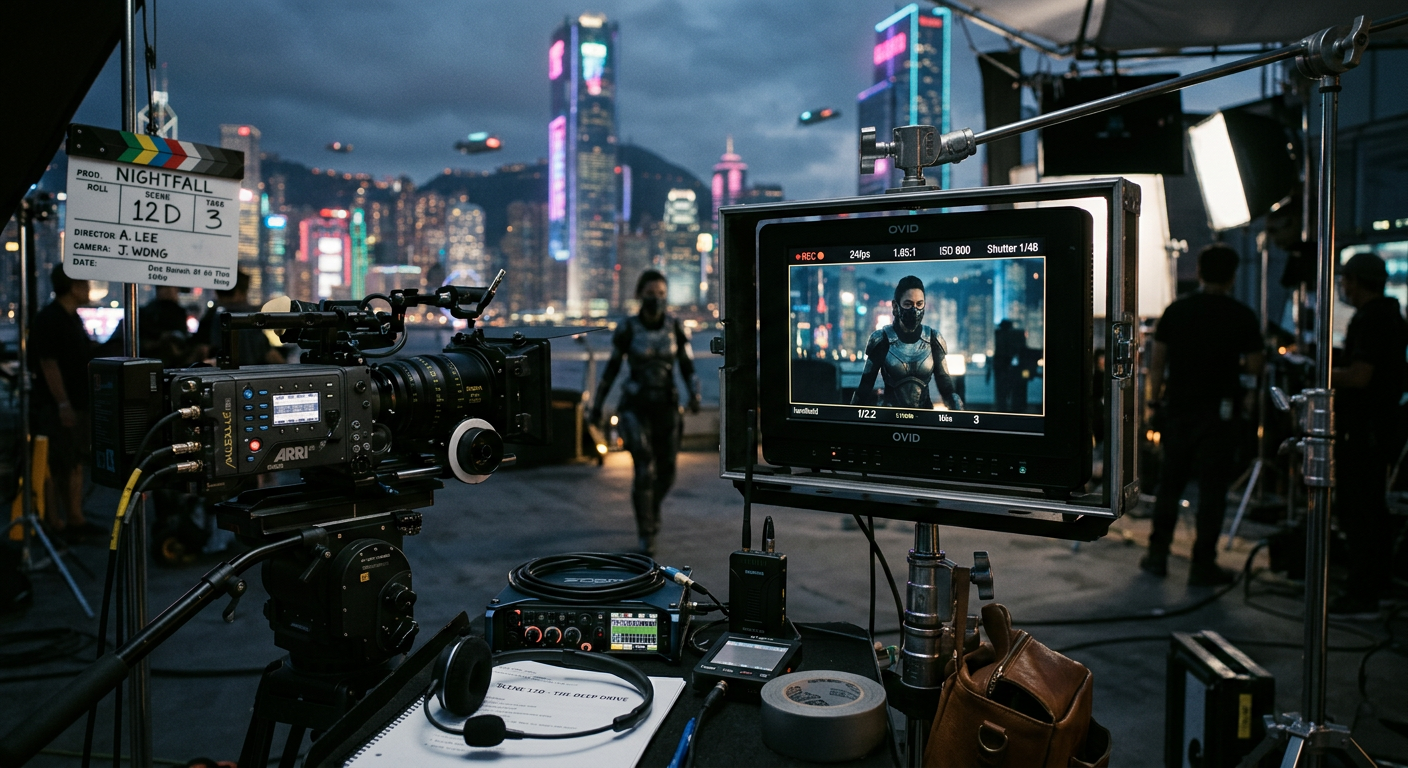
Seven people. No producer. No PA. No grips. No location scout. Director, writer, image lead, sound lead, edit lead, music lead, color lead — each running their corner of the pipeline in parallel. We never met on set because there was no set. We met on shared Google Docs, Figma boards, and a single Resolve project.
The money
Approximately 75,000 Kč in AI credits — about $3,300 total. Compare that to traditional reference points: Avatar cost $237 million. A single day of broadcast-quality live-action commercial production in Prague runs 200,000–500,000 Kč before talent. Our entire 33-minute film cost less than half a shoot day.
The per-line breakdown: Freepik top-tier subscription burning 3,000 credits every three days. Suno Studio at 700 Kč/month, 10,000 credits. Kling 2.6, Veo, ElevenLabs voice + SFX, Sync.so lipsync, Adobe Podcast for cleanup. DaVinci Resolve and Logic Pro for finishing — both already paid for from prior work.

The window
60–80% of the final visuals were generated during a two-to-three week free trial window after Nano Banana Pro launched. We saw the model release, dropped everything, and pushed every key shot through it before the trial ended. That single decision compressed what would have been a month of generation cost into two weeks of zero-cost output.
The lesson generalizes: be two weeks ahead of where the tools are. The window between a new model dropping and the rest of the industry catching up is the only edge that matters in AI production right now.
What it taught us
Three things we did not expect to learn from a passion project:
One — the bottleneck is taste, not generation. We never ran out of credits. We ran out of judgment-hours. Choosing which 4-second clip out of 12 generations to take into the cut is the work. Generating them is the easy part.
Two — character consistency is solved. With proper character DNA workflows in Freepik Spaces, our protagonist looked like the same person across 380 shots. Two years ago this was the wall everyone said AI film could not cross. It is no longer the wall.
Three — the philosophical content was the point. Audiences do not care that it is AI-generated. They care whether the story moves them. Mindfall succeeded because it is about something — consciousness, memory, identity — not because of the tools. Tools are table stakes.
What is next
We are taking what we learned from Mindfall and applying it to client work — Allwyn campaigns on TV, brand transformation projects, previz for film studios. The same workflow that built a 33-minute feature builds a 30-second hero spot. The math is the same. The discipline is the same. Only the brief changes.
If you are sitting on a project that traditional production cannot afford to make, that is the conversation we want to have.