What is different about Seedance 2.0
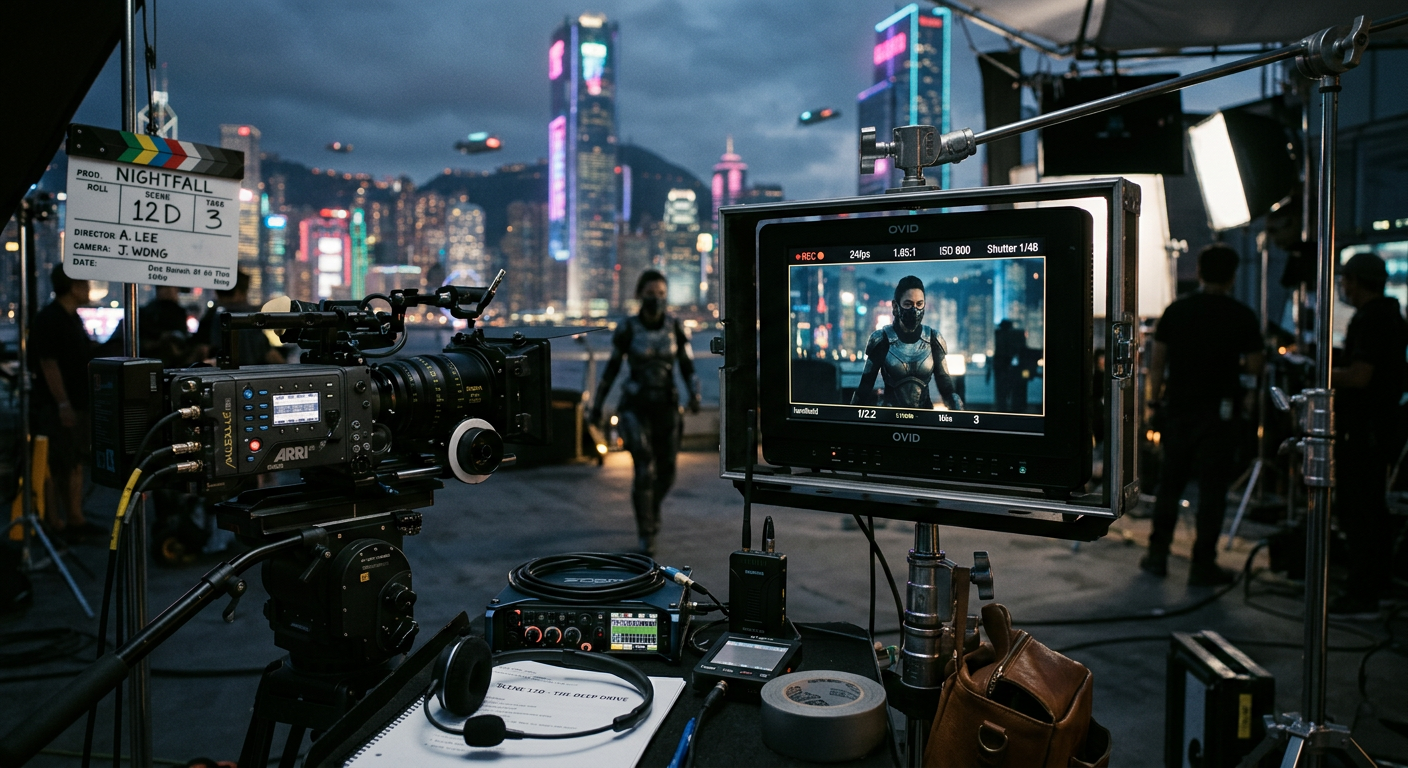
The photorealism is excellent — but excellent photorealism has been the norm for two model generations now. The breakthrough is motion control. You can direct camera moves, character action, and scene physics with the precision of a shot list, not the imprecision of a prompt.
That is the change. The model now responds to direction the way a competent crew responds to direction. You stop fighting it and start using it.
Why Hollywood moved on it
Major studio adoption is rarely about a single capability. It is about workflow compatibility. Seedance 2.0 produces output that integrates into existing post pipelines — codec, color space, frame rate, alpha handling — without the cleanup tax other models impose. If your studio runs on Resolve or Baselight, the output drops in. That is the boring infrastructure detail that made it land.
How we use it
Our production pipeline runs through three layers, and Seedance 2.0 sits at the visual generation layer:
Layer 1 — character and look development. Freepik Spaces. We lock character DNA, environment palettes, and visual references here. The output is a library of stills the rest of the pipeline references.
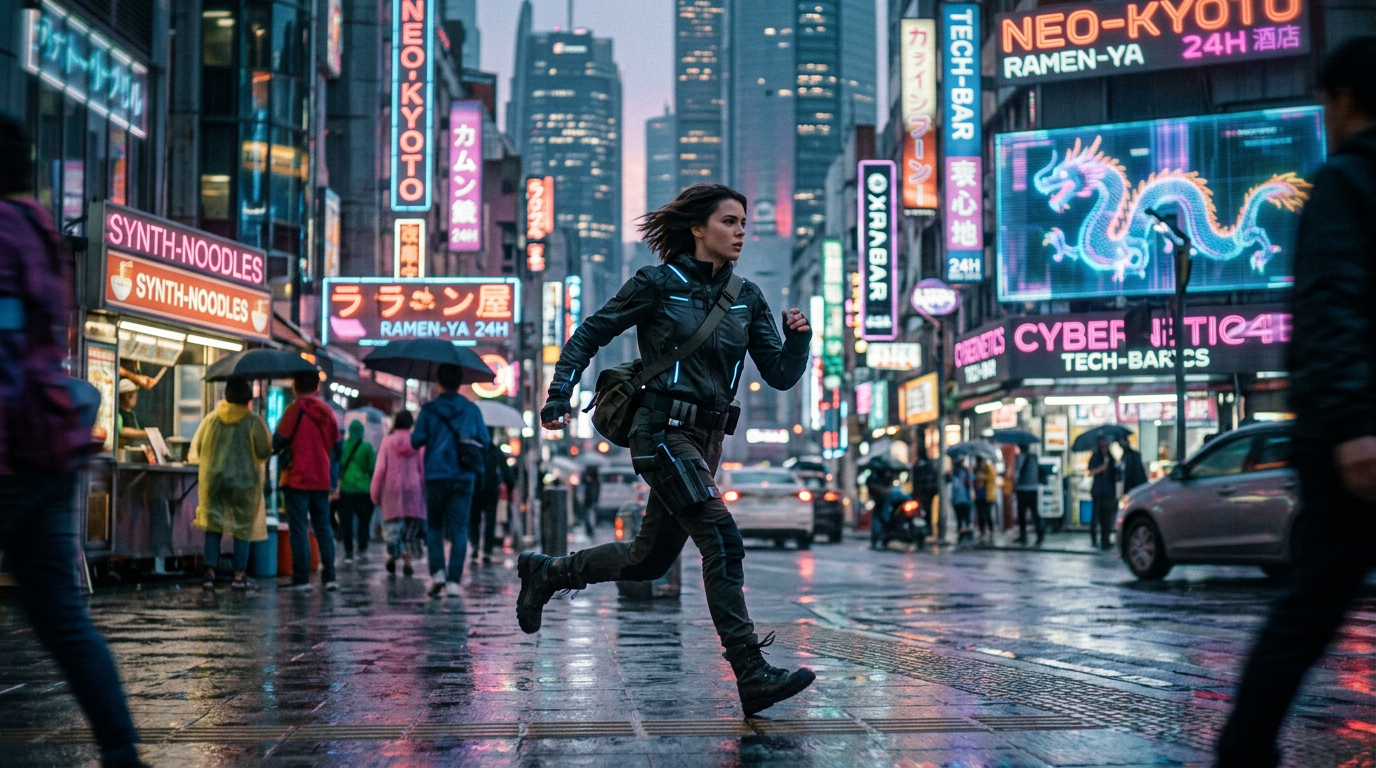
Layer 2 — motion generation. Seedance 2.0. We feed it our locked references plus shot direction (camera move, character action, length). Output is 3–15 second clips with broadcast-grade motion.
Layer 3 — lipsync and sound design. Kling 2.6 for lipsync where dialogue is involved, Suno Studio for music, ElevenLabs for voice and SFX.
Finishing runs through DaVinci Resolve. That sequence — Freepik → Seedance → Kling/Suno/ElevenLabs → Resolve — is the spine of every project we ship right now.
A live demonstration
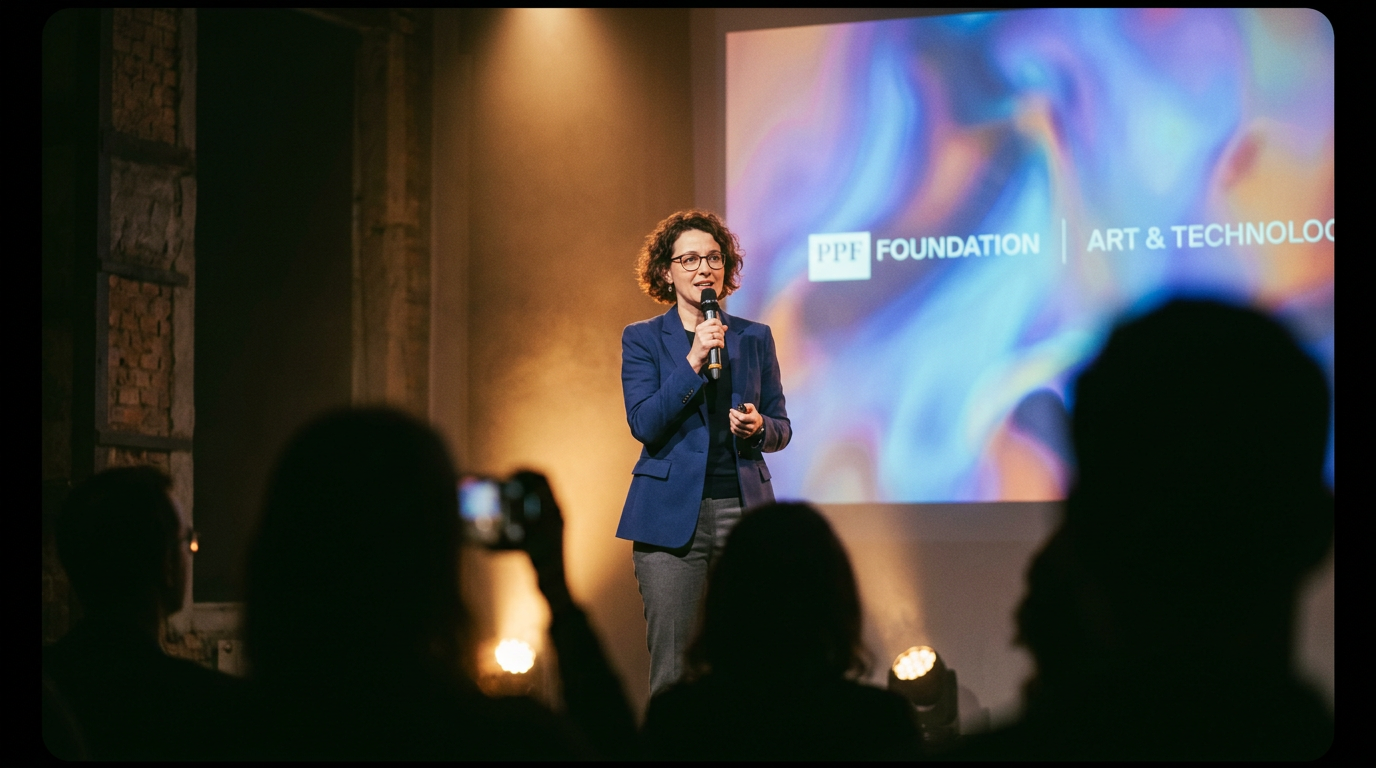
At the Tech Meets Art Lab talk at PPF Foundation in April, we generated a complete 45-second film on stage in roughly 25 minutes. The full workflow: Freepik Spaces for character references → Seedance 2.0 for three 15-second clips → Suno Studio for music bed → ElevenLabs for 8 sound effects. Total cost: $4–5 in credits. Total runtime: less than the Q&A that followed.
That demonstration is the answer to the most common question we get: how long does AI production actually take. The honest answer is, less time than it takes to brief a traditional crew.
What this means for production timelines
A 30-second spot that used to take six weeks now takes ten days. A 90-second brand film that used to take ten weeks takes three. The reduction is not because we are working harder. It is because the generation layer no longer is the bottleneck — taste and approvals are.